
AI can now create images so realistic that even experts sometimes struggle to spot the difference. From social media posts to product photos, AI-generated visuals are everywhere.
So how do you know what is real?
That is where AI image identifier tools help. They analyze images and estimate whether AI created them. If you run a blog, online store, or news site, using these tools can protect your credibility and improve trust.
In this guide, we will explore the best free AI image identifier tools, explain how they work, and help you choose the right one for your needs.
- Why AI Image Identification Matters in 2026
- How AI Image Identifier Tools Actually Work
- 1. Hive AI
- 2. Illuminarty
- 3. AI or Not
- Comparing the Best Free AI Image Identifier Tools in 2026
- How to Choose the Right AI Image Identifier Tool
- Google Discover and AI Image Detection in 2026
- Limitations You Must Understand
- The Future of AI Image Identification
- Final Thoughts
Why AI Image Identification Matters in 2026
AI image tools have improved a lot since 2023. Modern systems can now create pictures that look very real. People use them to make:
- Real looking human photos
- Fake product images
- AI made news pictures
- Deepfake style visuals
This creates a serious problem. It becomes harder to know what is real and what is not.
According to the National Institute of Standards and Technology (NIST), detecting AI-generated media is still a research challenge. No tool can promise 100% accuracy.
So why should you still use AI image identifier tools?
Because they help you:
- Protect your website from misleading images
- Check the photos uploaded by users
- Avoid sharing fake or AI-made pictures by mistake
- Improve trust and content quality
Google also focuses strongly on transparency and authenticity. You can read more in Google’s official Search Quality Evaluator Guidelines.
Google Discover and Search systems reward content that shows clear sourcing and trust signals. If you run a blog, news site, or online store, checking images becomes part of your quality control process.
Let’s be practical. Today, trusting every viral image online is risky. A quick check with an AI image detector can help you avoid mistakes and protect your credibility.
How AI Image Identifier Tools Actually Work
Before looking at the tools, let’s understand the basic idea.
AI image detectors study small details inside a picture. When AI creates an image, it often leaves tiny patterns behind. These patterns are not easy for humans to see, but software can analyze them.
Detectors look for things like:
- Small pixel mistakes
- Unusual noise patterns
- Repeating textures
- Compression marks
- Image metadata details
Most tools use machine learning. They train their systems using large collections of real photos and AI-generated images. The tool then compares new images to what it has learned.
Important fact: No AI image detector is perfect. Even research labs say detection is still improving. That is why you should not depend on one tool alone.
Always review the image yourself. Check the source. Look at the context.
Think of AI detectors as tools that give a probability, not a final judgment. They help you make better decisions, but they do not replace human thinking.
1. Hive AI

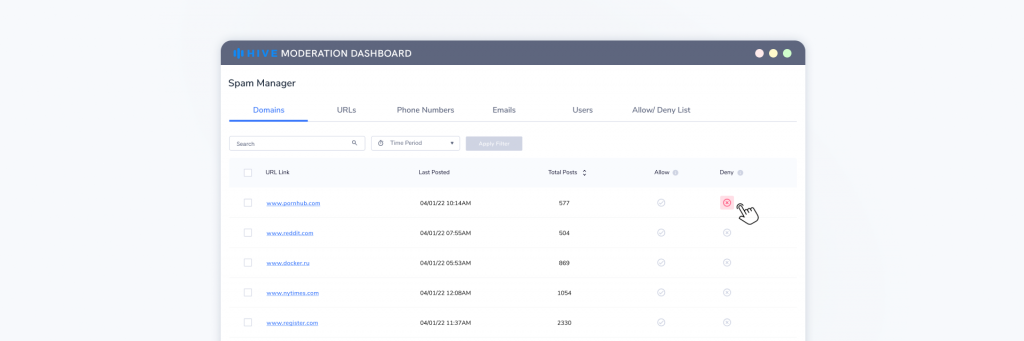
Hive AI is a detection tool built mainly for content moderation. Many online platforms use it to check AI-generated text, images, and deepfake content.
Its image detector studies small visual signals inside a photo and predicts whether AI likely created it. The result usually shows a probability score instead of a simple yes or no.
Why It Stands Out
- Designed for large platforms
- Uses machine learning models
- Gives probability based results
- Built to handle high image volumes
Hive shares information about its technology and partnerships on its official website, which helps improve transparency and trust.
Free Access
Hive offers limited demo or trial access. Many users test images through its web interface or API before full integration. Always check the latest pricing and documentation on the official site before using it in production.
Best For
- Publishers
- User generated content platforms
- Online marketplaces
- Moderation teams
If your website handles many uploaded images daily, Hive AI works well for automated checks at scale.
2. Illuminarty
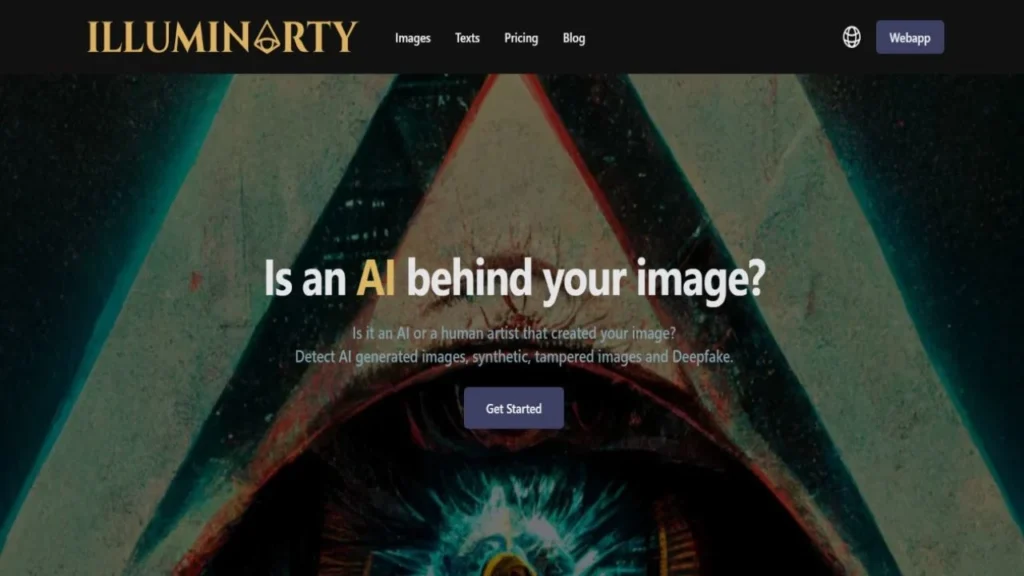
Illuminarty focuses mainly on detecting AI-generated images and digital artwork. It analyzes whether diffusion models or similar AI systems created an image.
The tool gives a probability score and also highlights areas that may look AI-generated.
Key Features
- Upload an image and get a detection score
- Highlights suspicious areas
- Works on art and photos
- Shows heatmap style visual feedback
The heatmap feature makes it different. Instead of only showing a number, it visually points to areas where AI influence may appear.
Accuracy and Transparency
Illuminarty clearly states that accuracy depends on the image type and the AI model used. That honesty matters. No reliable detector claims perfect accuracy.
If a tool promises “100% guaranteed detection,” you should question it.
Best For
- Artists checking originality
- NFT platforms
- Creative marketplaces
- Bloggers verifying image sources
If you care about creative authenticity, Illuminarty offers focused and easy to understand analysis.
3. AI or Not
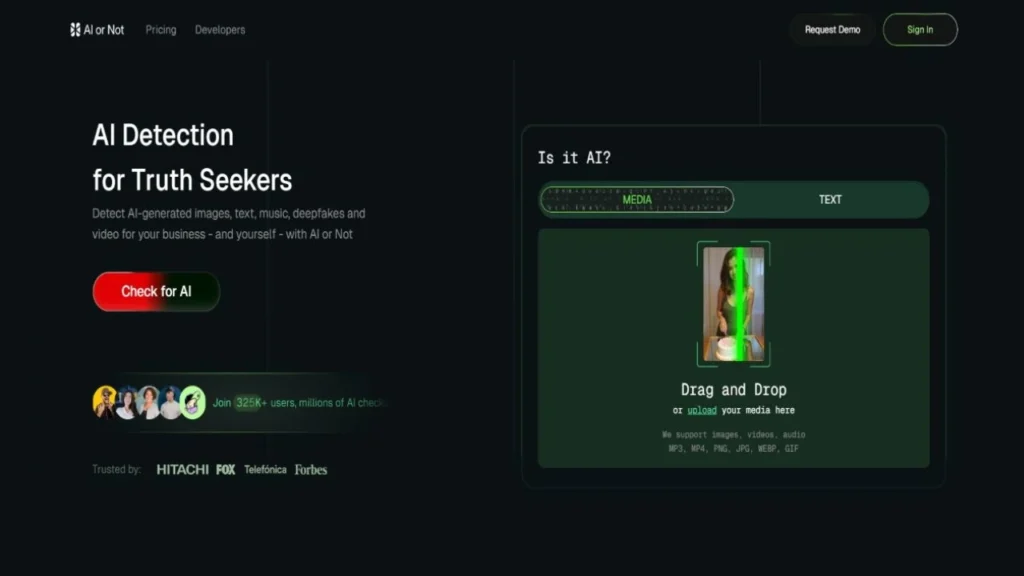
AI or Not is a simple and fast image detection platform. It helps users check whether AI created a picture. Some plans also support bulk image uploads.
The tool provides a confidence score that shows the likelihood of AI generation.
Why People Use It
- Clean and simple interface
- Quick upload process
- Fast results
- API support for automation
It works well for users who want fast checks without a complex setup.
Practical Example
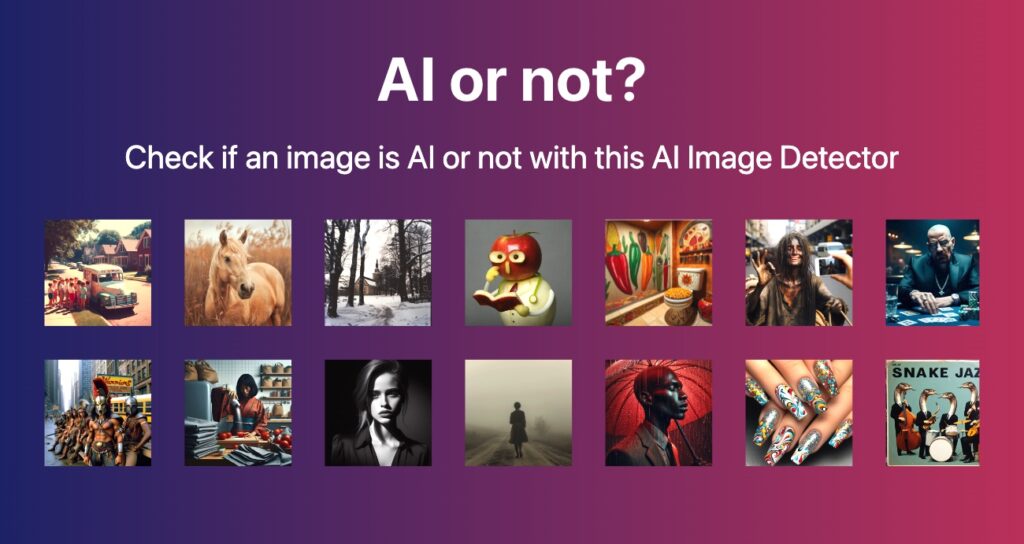
Imagine you manage an online marketplace. A seller uploads product photos. You run those images through AI or Not before publishing them. This quick check helps protect buyers and keeps your platform trustworthy.
Simple process. Strong protection.
Best For
- eCommerce platforms
- Image verification workflows
- Social media moderation
- SEO focused publishers
If you need fast detection with easy integration, AI or Not can be a practical choice.
Comparing the Best Free AI Image Identifier Tools in 2026
| Tool | Free Version | Heatmap Feature | API Access | Best For |
|---|---|---|---|---|
| Hive AI | Limited trial | No | Yes | Large platforms and moderation |
| Illuminarty | Limited free use | Yes | Limited | Manual checks and creative work |
| AI or Not | Limited free use | No | Yes | Fast checks and marketplaces |
Important reminder: AI detection tools change and improve often. Always test them using your own images to see how well they work for you.
How to Choose the Right AI Image Identifier Tool
You do not need to use all the tools. Pick the one that fits your work.
- If you run a blog: Use Illuminarty. It is good for checking images one by one.
- If your website gets many user uploads: Use Hive AI or AI or Not. They offer API access and work better for large volumes.
- If you sell products online: Do more than just AI detection. Also, use reverse image search and check image details (metadata). This gives extra safety.
Google Discover and AI Image Detection in 2026
Google Discover prefers content that shows:
- Original information
- Clear author details
- Proper sources
- Strong trust signals
If you use images in your article, make sure they are real and verified. If you use AI-generated images, clearly mention it.
Google does not ban AI content. But misleading images can hurt your website’s trust and search performance.
Simple tip: Add a small caption like “AI-generated image” or “AI illustration” when needed. This small step shows honesty and helps build trust with readers.
Limitations You Must Understand
Let’s be realistic. AI tools improve very fast. Detection tools try to keep up, but they are not always perfect.
Here are some limits you should understand:
- AI models change quickly.
- Detection tools may not catch new image styles.
- Edited or high quality images can confuse detectors.
- Cropped or compressed images reduce accuracy.
Even research experts say AI detection is still not perfect.
So what should you do?
Do not treat detection tools as final proof. Use them as a first check.
For better results, combine:
- Checking the context of the image
- Verifying the original source
- Using reverse image search
- Looking at image metadata
- Running AI detection tools
Using multiple checks together helps reduce mistakes and improves trust.
The Future of AI Image Identification
AI image detection is improving fast. But experts are also working on better long term solutions.
Here are some simple ideas that are growing in popularity:
- Digital watermarking – A hidden mark added inside an image to show who created it.
- Content authenticity standards – Rules that help prove where an image came from.
- Cryptographic signatures – A secure digital code that confirms the image is real and unchanged.
- Platform level verification – Social media or websites check images before they appear online.
Big tech companies are working on this. They want images to include built in proof so anyone can check the source.
AI detection tools will still be important. But in the future, adding proof when an image is created may become a better and more reliable solution.
Final Thoughts
No tool can replace human judgment. AI can now create very realistic images, but that does not mean we should trust everything we see.
Use AI image identifier tools carefully and always review the results yourself. If you use AI-generated images, label them clearly.
Be honest with your audience. Websites that focus on transparency and trust will grow stronger over time.
Simple rule: check first, be honest, and build trust slowly.

Submit Your Tool
#1 Best and Most Affordable AI Tools DirectoryDevelopers and advertisers can share their AI tools on Openopediaai AI to reach a bigger audience. By listing your tool with us, you’ll get more visibility and help more people discover your product. You’ll also support the growth of the AI industry by making powerful tools easier for everyone to find and use!